
Introduction to Geofencing and Its Business Benefits
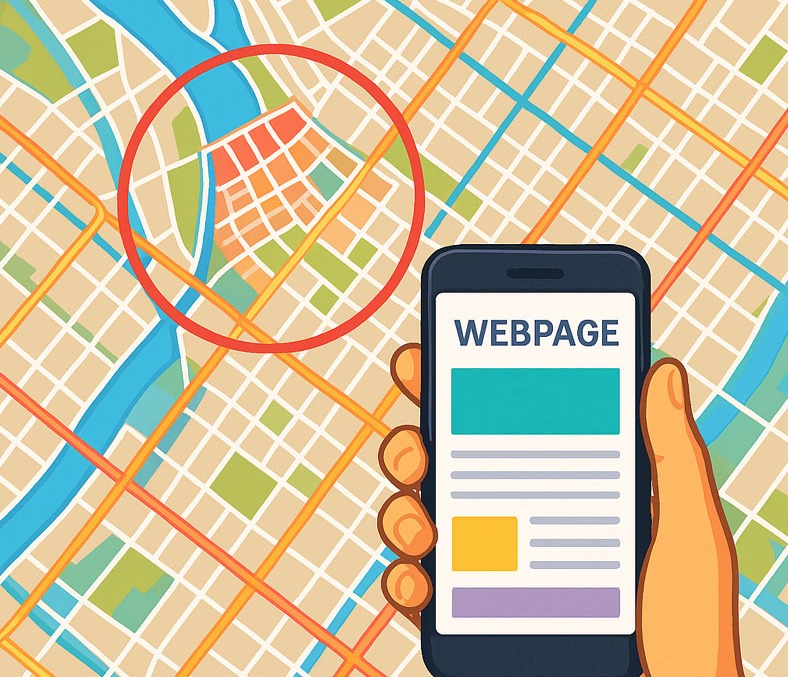
| In the ever-evolving landscape of digital marketing, geofencing has emerged as a revolutionary tool, reshaping how businesses interact with their local audiences. At its core, geofencing is a location-based service that uses GPS or RFID technology to create a virtual boundary around a specific area. When a mobile device enters or exits this boundary, it triggers a pre-set action, such as sending a targeted advertisement or notification. This innovative strategy offers significant advantages for businesses aiming to engage customers nearby and enhance their marketing effectiveness.
Geofencing’s allure lies in its precision and personalization. By targeting customers based on their real-time location, businesses can deliver highly relevant and timely messages, thereby increasing the chances of conversion. For instance, a restaurant might send a lunch special offer to potential diners who are within a mile of their location, enticing them to stop by. This form of hyper-local marketing not only boosts foot traffic but also enhances the customer experience, as consumers receive offers and information that are pertinent to their immediate context. Furthermore, the data-driven nature of geofencing allows businesses to glean valuable insights into consumer behavior and preferences. By analyzing patterns such as frequent visit times or popular products, companies can refine their marketing strategies and product offerings to better meet customer needs. This leads to improved customer satisfaction and loyalty, ultimately supporting business goals such as increased brand awareness and revenue growth. To summarize, geofencing offers a unique blend of precision marketing and consumer insight, making it an indispensable tool for businesses seeking to thrive in a competitive marketplace. Whether you aim to enhance customer engagement or drive sales, embracing geofencing could be the key to unlocking your business’s potential. Ready to learn more about how geofencing can transform your marketing approach? Explore our full range of services here. |
 |
The Mechanics of Geofencing in Marketing
Geofencing is a transformative technology in the marketing landscape that effectively bridges the gap between digital and physical realms. But what exactly is geofencing, and how does it work? At its core, geofencing involves the use of GPS or RFID technology to create a virtual boundary around a specific geographic area. When a potential customer with a mobile device enters this designated space, businesses can trigger targeted marketing messages tailored to that user’s location and behavior.
This location-based strategy is invaluable for businesses looking to engage customers who are physically nearby. Imagine a scenario where a coffee shop uses geofencing to send a special discount to customers walking by. Such timely and relevant promotions can significantly boost foot traffic and enhance customer engagement.
The benefits of geofencing extend beyond mere location targeting. It allows businesses to gather valuable data on consumer behavior, such as visit frequency, dwell time, and purchasing patterns. This data, when analyzed, can provide deep insights into customer preferences, enabling businesses to refine their marketing strategies further, increasing both customer satisfaction and conversion rates.
Moreover, geofencing fosters a personalized shopping experience by delivering contextually relevant content, which can be a powerful tool in nurturing customer loyalty. As businesses navigate the crowded digital marketplace, leveraging geofencing’s capabilities can offer a distinct competitive advantage, making it an indispensable part of modern marketing strategies.
Want to learn more about how geofencing can revolutionize your marketing efforts? Explore our full range of digital marketing solutions here.
How Personalized Messages Enhance Customer Engagement
In today’s fast-paced digital world, businesses are continually seeking innovative ways to connect with their customers on a deeper level. One such method that has proven to be remarkably effective is the use of personalized messages through geofencing technology. By tailoring messages to individual consumer preferences and behaviors, businesses can significantly enhance customer engagement and foster long-lasting relationships.
Personalized messages allow businesses to reach their audience with content that resonates on a personal level. When a customer receives a message that speaks directly to their interests or needs, it creates a sense of value and understanding, making them feel appreciated and more connected to the brand. This connection is crucial for cultivating brand loyalty, as customers are more likely to return to a business that recognizes and meets their individual preferences.
Benefits of Personalized Messaging
- Increased Engagement: Tailored messages capture customer attention more effectively than generic communications.
- Higher Conversion Rates: Personalized content can lead to better conversion rates as it aligns closely with customer expectations.
- Enhanced Customer Experience: Providing relevant information at the right time enhances the overall customer experience.
Moreover, geofencing technology empowers businesses to deliver these messages precisely when and where they are most impactful. By setting virtual boundaries around specific locations, businesses can target customers who are nearby, creating timely and contextually relevant interactions. This strategy not only drives foot traffic but also maximizes the potential for conversions by reaching customers at the most opportune moments.
To further explore how personalized messaging can elevate your business strategy, consider exploring our range of geofencing solutions designed to meet your specific needs. Learn more about our services here.
Targeting Competitors with Geofencing Strategies
In today’s fiercely competitive business landscape, understanding the nuances of geofencing strategies is essential. One particularly potent tactic involves targeting competitors’ locations to attract their customers. This approach allows businesses to reach potential clients at the right moment—when they are in proximity to a competitor’s premises, possibly contemplating a purchase decision.
Implementing geofencing around competitors’ locations requires a strategic mindset. It involves setting up virtual boundaries or “geofences” around rival businesses. Once a potential customer enters this designated area, they receive targeted advertisements or offers from your business through their mobile devices. This not only captures their attention but also provides a compelling reason to divert from the competitor and explore your offerings instead.
Benefits of Competitor Geofencing
- Real-time Engagement: Engage with potential customers precisely when they are in the decision-making zone.
- Enhanced Brand Visibility: Increase brand awareness by making your presence known in a competitor’s territory.
- Strategic Advantage: Gain insights into customer behavior and preferences by analyzing how often they visit competitors.
However, this strategy should be executed with finesse and respect for both consumer privacy and ethical business practices. Not only does it enhance visibility, but it also positions your brand as a viable alternative with unique offerings. As businesses strive to maintain a competitive edge, geofencing competitors becomes a valuable tool to attract and convert new leads.
Ready to implement a geofencing strategy that puts you ahead of the competition? Contact us for expert guidance and start engaging your customers in meaningful ways today.
Neighborhoods and Office Buildings as Geofencing Opportunities
In the dynamic world of digital marketing, the strategic use of geofencing offers businesses a unique edge, particularly when focused on neighborhoods and office buildings. These locations present prime opportunities for businesses aiming to engage with potential customers who are in close proximity, thus enhancing the likelihood of conversion. The essence of geofencing lies in its ability to create virtual perimeters around specific geographic areas, enabling businesses to deliver tailored content and advertisements directly to mobile users within those boundaries.
Neighborhoods, bustling with diverse demographics, offer fertile ground for local businesses to cultivate brand awareness. By targeting these areas, businesses can forge deeper connections with residents, fostering a sense of community engagement. For instance, a local café could entice nearby residents with special offers during peak hours, while a clothing boutique might highlight seasonal collections, thereby tailoring their outreach to customer preferences and increasing foot traffic.
Similarly, office buildings are hubs of economic activity, housing professionals who often seek convenience and quality in their day-to-day purchases. Businesses that position themselves strategically around these locations can capture this audience’s attention with promotions that align with the working professional’s schedule and needs. For example, a restaurant could offer lunch specials or delivery discounts, effectively addressing the midday needs of office workers.
- Practical Implementation: Establish geofences around targeted neighborhoods and office buildings.
- Tailored Messaging: Customize advertisements to suit the specific characteristics and needs of the audience within these zones.
- Increased Engagement: Leverage the local context to create more meaningful interactions with potential customers.
By embracing these geofencing strategies, businesses can not only enhance their visibility within local communities but also strengthen their connection with customers, ultimately driving higher engagement and conversion rates. Want to learn more about how geofencing can elevate your marketing efforts? Explore our full range of services here.
