
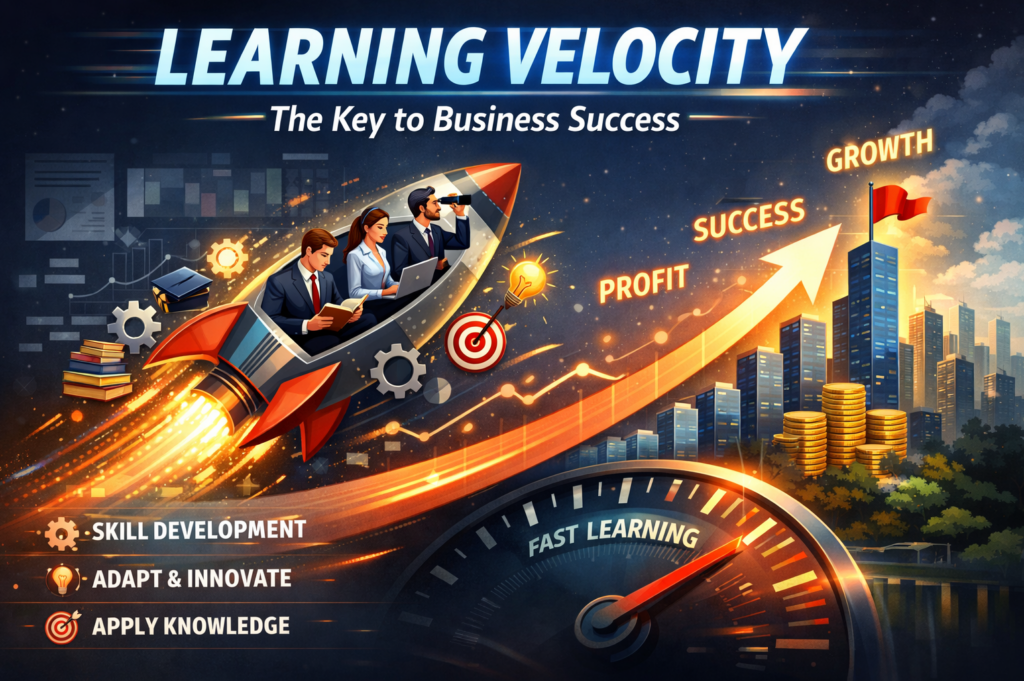
Understanding the Concept of Learning Velocity
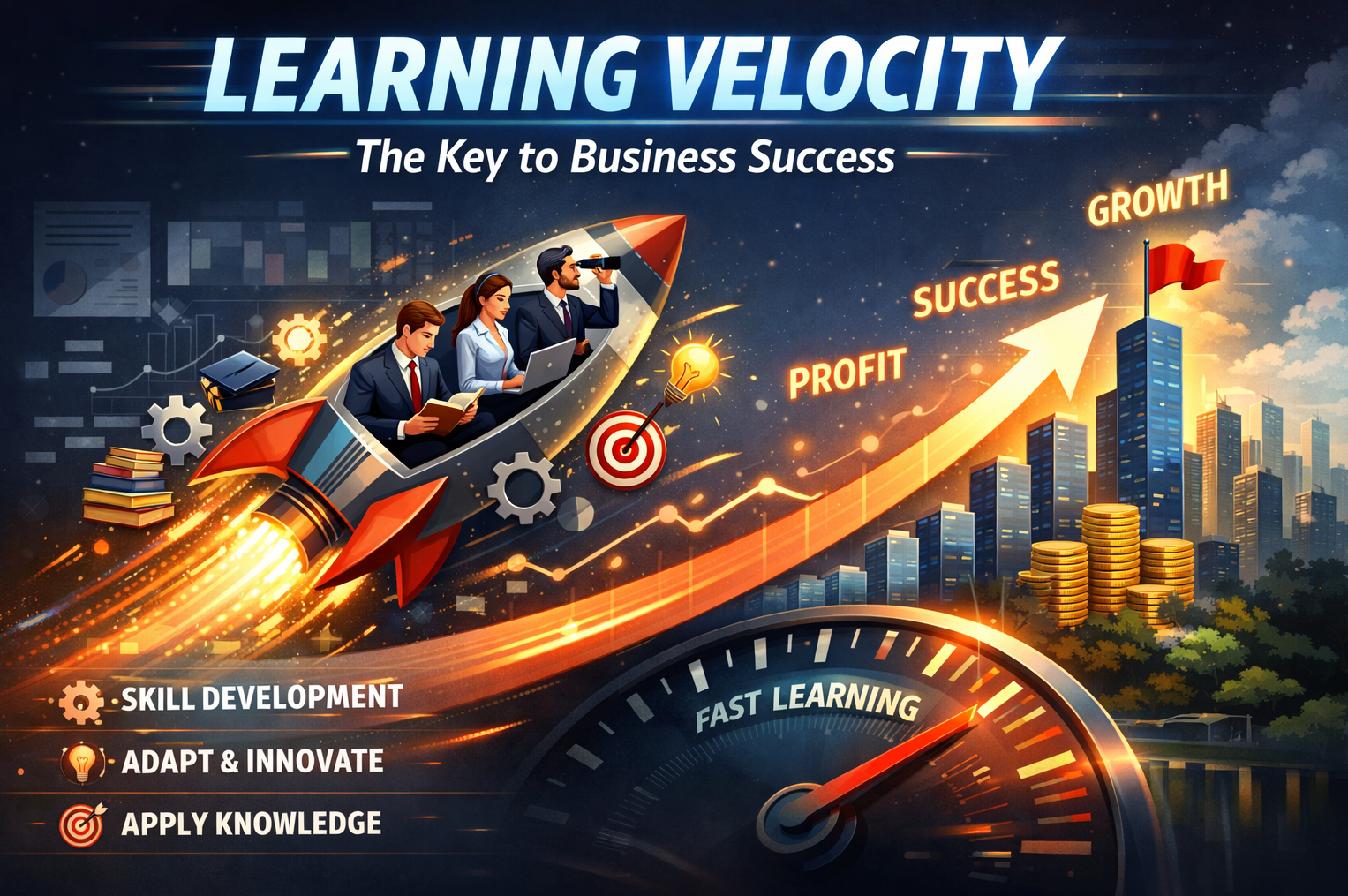
| In the rapidly evolving business landscape, the ability to adapt swiftly and effectively can be a game-changer. This is where the concept of “learning velocity” comes into play. Learning velocity refers to the speed at which individuals or organizations can acquire new knowledge and skills, and subsequently apply them to real-world scenarios. For business owners, especially in today’s fast-paced market, mastering this concept is not just beneficial; it’s essential for survival and growth.
As a business owner, you face myriad challenges: emerging technologies, shifting market demands, and ever-increasing competition. Each presents an opportunity to learn and innovate. The quicker you can absorb new information and pivot your strategies, the more competitive you become. Embracing a high learning velocity means fostering a culture of continuous improvement within your business. It involves encouraging your team to stay curious, seek out new information, and remain agile in the face of change. |
 |
Key Elements of Learning Velocity
- Curiosity and Open-mindedness: Encourage a mindset that is open to new ideas and eager to explore uncharted territories.
- Agile Thinking: Develop the ability to adapt strategies swiftly in response to new information or unexpected challenges.
- Knowledge Sharing: Promote an environment where information is freely shared among team members to enhance collective growth.
By enhancing learning velocity, you not only keep your business agile but also position it to seize new opportunities swiftly. This proactive approach can lead to increased innovation, better decision-making, and sustainable business growth. As you strive to enhance your learning velocity, remember that it’s a journey and investment into the future potential of your enterprise. Ready to accelerate your business? Explore our insightful guides and resources [link] to get started!
The Importance of Rapid Skill Acquisition in Business
In today’s fast-paced business environment, the ability to swiftly acquire new skills is not just a competitive advantage—it’s a necessity. As industries evolve and technology advances, business owners must adapt or risk falling behind. Rapid skill acquisition is critical for navigating these changes effectively, allowing business professionals to remain agile and responsive to market demands.
One of the primary benefits of quick skill acquisition is the ability to implement new strategies that enhance operational efficiency and innovation. By learning new skills, business owners can streamline processes, optimize productivity, and introduce innovative solutions that keep their enterprises ahead of the curve. This adaptability can lead to increased profitability and sustainability, ensuring that businesses remain relevant in an ever-changing marketplace.
Adapting to Technological Advancements
Technological advancements are redefining how businesses operate. From artificial intelligence to data analytics, modern tools offer vast potential for growth but require a foundational understanding to leverage effectively. Business owners who can quickly learn and apply these technologies position themselves to capitalize on new opportunities, driving both revenue and customer satisfaction.
Enhancing Leadership and Decision-Making
Rapid skill acquisition also plays a crucial role in leadership. Effective leaders are those who are continuously learning and applying new knowledge to make informed decisions. This not only boosts confidence but also inspires trust and loyalty among team members, fostering a culture of continuous improvement and innovation within the organization.
In conclusion, embracing rapid skill acquisition empowers business owners to meet the challenges of tomorrow with confidence and poise. By prioritizing learning and development, they can ensure that their businesses thrive in a complex and dynamic world.
Adapting Quickly to Changing Market Trends
In the fast-paced world of business, change is the only constant. As a business owner, the ability to swiftly adapt to changing market trends is not just beneficial — it’s essential. The market landscape can shift rapidly due to advancements in technology, evolving consumer preferences, or unforeseen global events. To thrive in such a dynamic environment, business owners must cultivate adaptability as a core skill.
Identifying Trends Early
One of the first steps in adapting to market changes is identifying emerging trends before they become mainstream. This involves staying informed about industry news, subscribing to relevant publications, and engaging with thought leaders in your field. By being proactive in your research, you can anticipate shifts and prepare your business strategy accordingly.
Flexibility in Strategy
Being flexible with your business strategy is crucial. This doesn’t mean constantly changing your core business model but rather being open to adjustments that align with new trends. Whether it’s integrating new technologies, exploring new marketing channels, or diversifying your product line, flexibility allows you to meet evolving customer needs effectively.
Leveraging Data and Feedback
Data-driven decision-making can significantly enhance your ability to adapt. Leveraging analytics and customer feedback can provide valuable insights into market changes and consumer behavior. This information allows you to make informed decisions, minimizing risks associated with strategic pivots.
In conclusion, adapting quickly to market trends is about staying informed, being flexible, and utilizing data effectively. By honing these skills, business owners can not only survive but thrive, turning potential challenges into opportunities for innovation and growth.
Ready to enhance your adaptability? Contact us today for expert guidance on navigating market changes and securing your business’s future.
Tools and Analytics for Quick Marketing Adjustments
In the fast-paced world of business, the ability to adapt and make swift marketing adjustments is crucial for staying ahead. For business owners, leveraging the right tools and analytics is not just a nice-to-have, but a necessity. These resources empower you to respond to changing market dynamics, optimize your strategies, and ultimately, enhance your business’s performance.
The Power of Data-Driven Decisions
Data is the new currency in today’s digital age. By utilizing analytics tools, business owners can gain insights into customer behaviors, preferences, and trends. This information is invaluable as it allows for informed decision-making. Tools like Google Analytics, social media insights, and CRM systems provide a comprehensive view of your marketing efforts and their effectiveness. With this data at your fingertips, you can quickly identify what’s working and what’s not, enabling you to pivot strategies to maximize results.
Streamlined Tools for Efficiency
Beyond analytics, marketing tools that streamline operations are essential. Automated marketing platforms such as HubSpot or Mailchimp help in managing campaigns efficiently, saving time and resources. These platforms allow for the automation of repetitive tasks, freeing up valuable time for strategic planning.
Flexibility in Strategy
With the right tools at your disposal, flexibility becomes a core component of your marketing strategy. Real-time data allows for quick adjustments, ensuring that your campaigns remain relevant and impactful. This agility is especially important in volatile markets where consumer preferences can shift rapidly.
Incorporating these tools and analytics into your business not only supports quick adaptations but also fosters a culture of continuous improvement. Want to dive deeper into how these tools can transform your business? Explore our full range of marketing solutions [link]. Ready to get started with a tailored plan? Book a free consultation with our experts [link].
Planning for the Next Move When Plan A Fails
In the ever-evolving landscape of business, adaptability is not just an asset, but a necessity. For business owners, the ability to strategize effectively when Plan A goes awry is an essential skill. The uncertainty of market conditions, customer preferences, and unforeseen challenges can all play a role in derailing initial plans. Therefore, it becomes crucial to have a contingency plan in place that will help navigate these turbulent waters.
Embrace Flexibility
One of the first steps in planning for the next move is embracing flexibility. Business owners must cultivate a mindset that is open to change and willing to pivot as needed. This involves being receptive to new ideas, exploring alternative strategies, and having the courage to depart from original plans when they no longer serve the business’s best interest. Flexibility is not just about reacting to change, but also about proactively seeking out new opportunities.
Analyze and Learn
When Plan A fails, it offers a valuable opportunity to analyze what went wrong. Conduct a thorough evaluation of the plan, identifying the factors that contributed to its failure. This analysis should be data-driven and objective, allowing business owners to learn from their mistakes and avoid similar pitfalls in the future. Gathering insights from this process will enable the development of a more robust and refined Plan B.
Engage Your Team
Another critical aspect of adapting to failed plans is engaging your team. Your employees are on the front lines, often possessing insights and ideas that can be instrumental in crafting a new path forward. By fostering an open communication environment, you can enlist their support and creativity in developing innovative solutions. Encourage team members to share their perspectives and contribute to the brainstorming process.
Implementing Plan B
With a renewed strategy in place, it is time to implement Plan B. This should be done with confidence and clarity. Clearly communicate the new plan to your team, outlining each member’s role and the objectives to be achieved. Monitor the progress closely, making adjustments as necessary to ensure that the revised plan is on track to meet your business goals. Remember, the key to successful implementation lies in continuous evaluation and adaptation.
Ultimately, the ability to plan for the next move when Plan A fails is about resilience and resourcefulness. By embracing flexibility, learning from past experiences, engaging your team, and implementing a well-thought-out Plan B, business owners can navigate the complexities of the business world with confidence. Want to learn more about strategic planning? Explore our full range of resources here.
